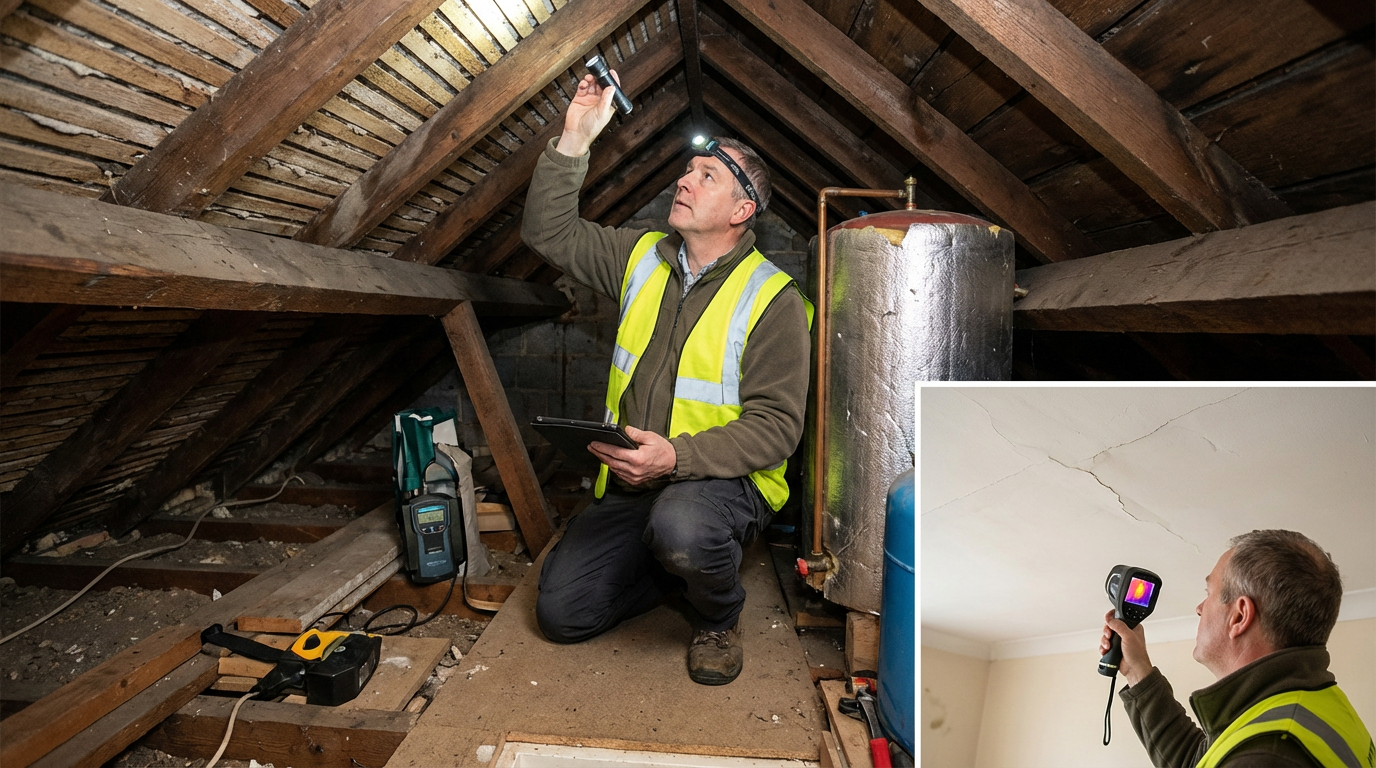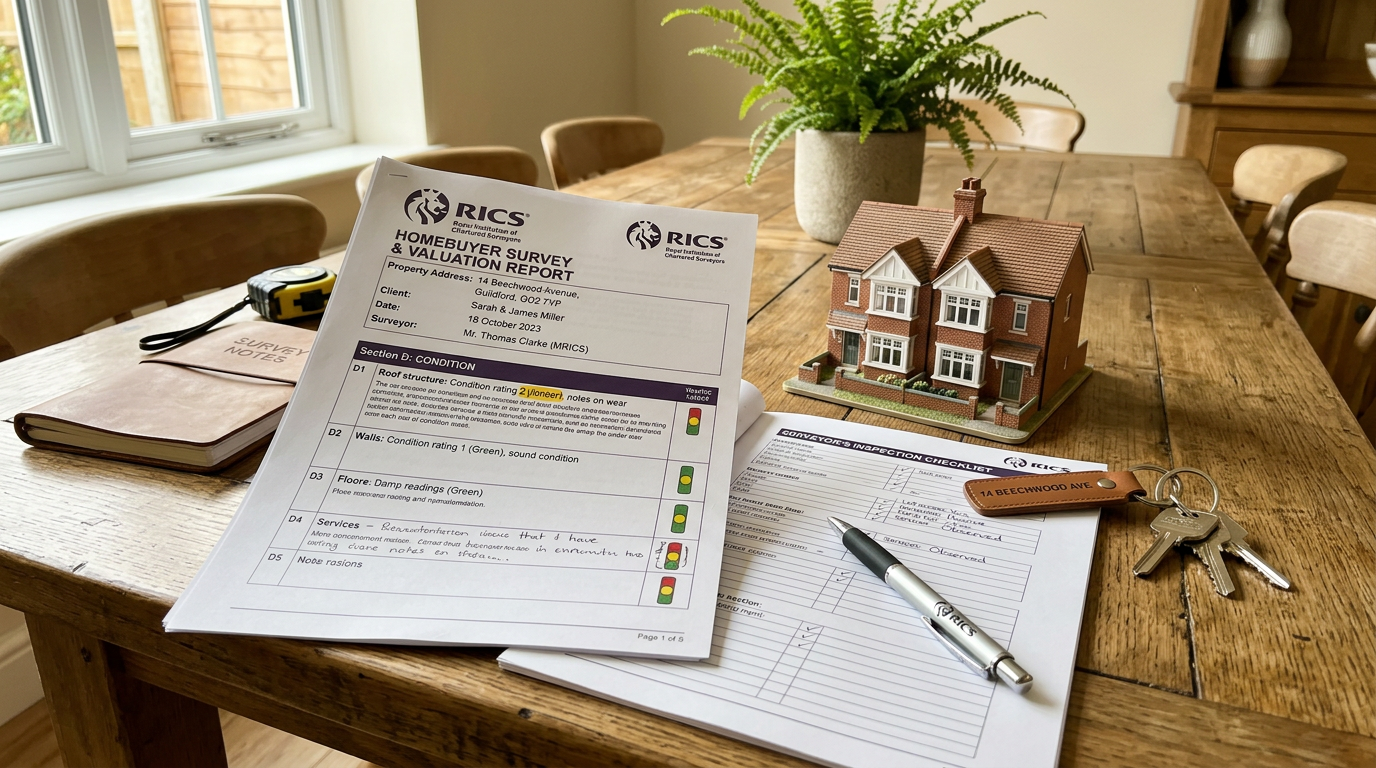
"Subsidence" is arguably the most feared word in residential property. It can affect mortgage availability, insurance costs and property value. But in our experience as Crawley Surveyorss, most subsidence-related issues are far less catastrophic than buyers fear — provided they're identified early and handled correctly.
This guide explains everything you need to know about subsidence in West Sussex — what it is, what causes it, how to spot it, what a survey will tell you and what to do next.
What Is Subsidence?
Subsidence is the downward movement of the ground beneath a building's foundations. When the ground moves, it can cause the foundations to move unevenly — which in turn causes cracking and distortion in the building's structure above.
It's important to distinguish subsidence from settlement. Settlement is the normal, gradual compression of ground under a building's weight over time — particularly common in new builds. Subsidence is different: it's a loss of support caused by changes in the ground itself.
Why Is West Sussex Particularly Affected?
The geology of West Sussex — including the Crawley area — makes subsidence a real risk that our surveyors take seriously on every instruction. The key factor is the presence of clay soils across much of the region.
Clay is a shrinkable soil. In dry summers, clay loses moisture and contracts — causing the ground beneath foundations to drop. In wet winters, it absorbs moisture and expands again. This seasonal cycle, known as desiccation and heave, puts stress on foundations over time.
In the Crawley area specifically, this risk is heightened by:
- Weald Clay — present across much of Mid Sussex and the Crawley area
- Trees and large shrubs near properties — particularly oak, poplar, willow and ash, which extract large quantities of water from clay soils
- Drainage leaks — water from leaking drains can wash away the fine particles in soil (a process called soil erosion), removing support from foundations
- Historic mining and tunnelling — less common in this area but worth noting for older properties
Warning Signs of Subsidence
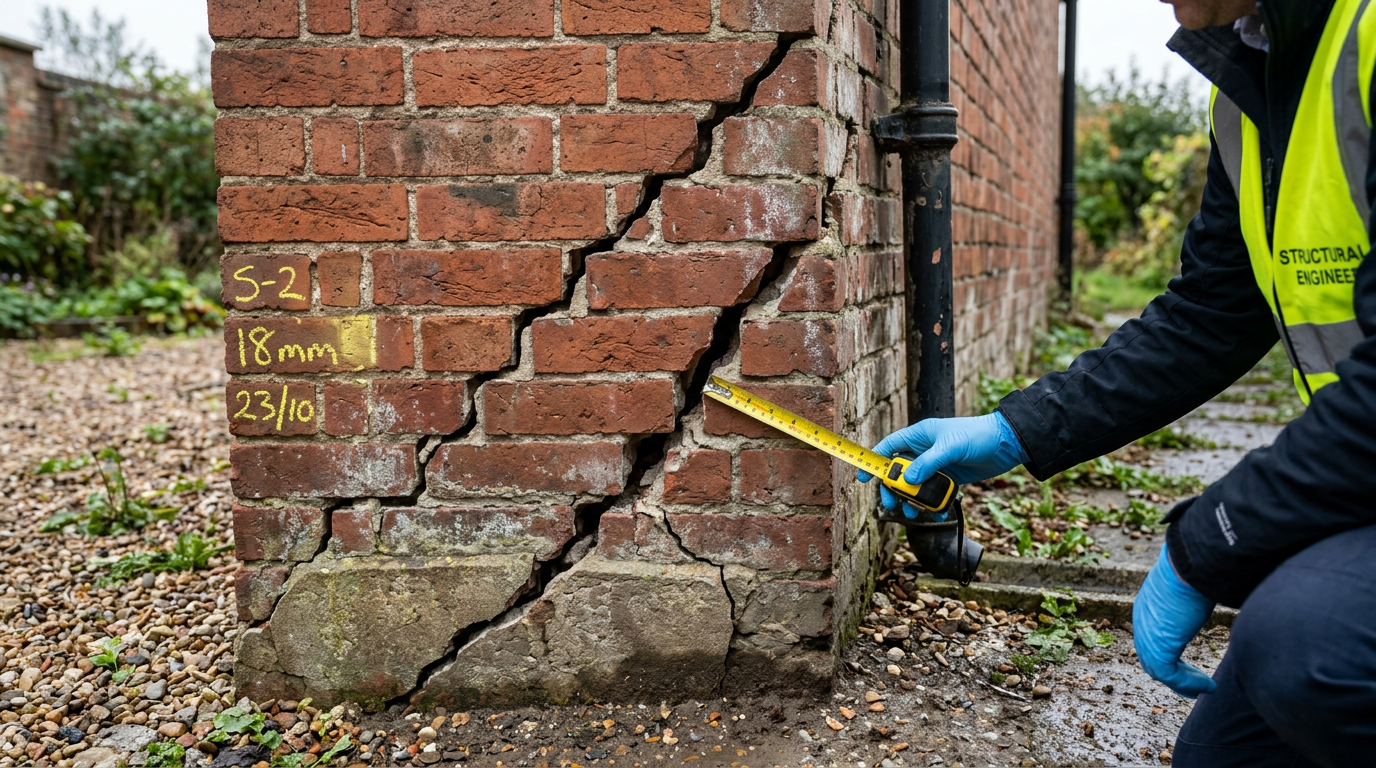
Not every crack in a property means subsidence. In fact, most cracks are cosmetic. But these specific warning signs should be investigated by a professional:
- Diagonal cracks — particularly those wider at the top than the bottom, especially around door and window frames
- Cracks that appear suddenly or grow rapidly
- Cracks that are wider than 3mm
- Doors and windows sticking — particularly if this has developed over time rather than always being the case
- Wallpaper creasing at the junctions between walls and ceilings
- Cracks that run through both the mortar and the bricks
- Gaps between walls and ceiling or between the property and an extension
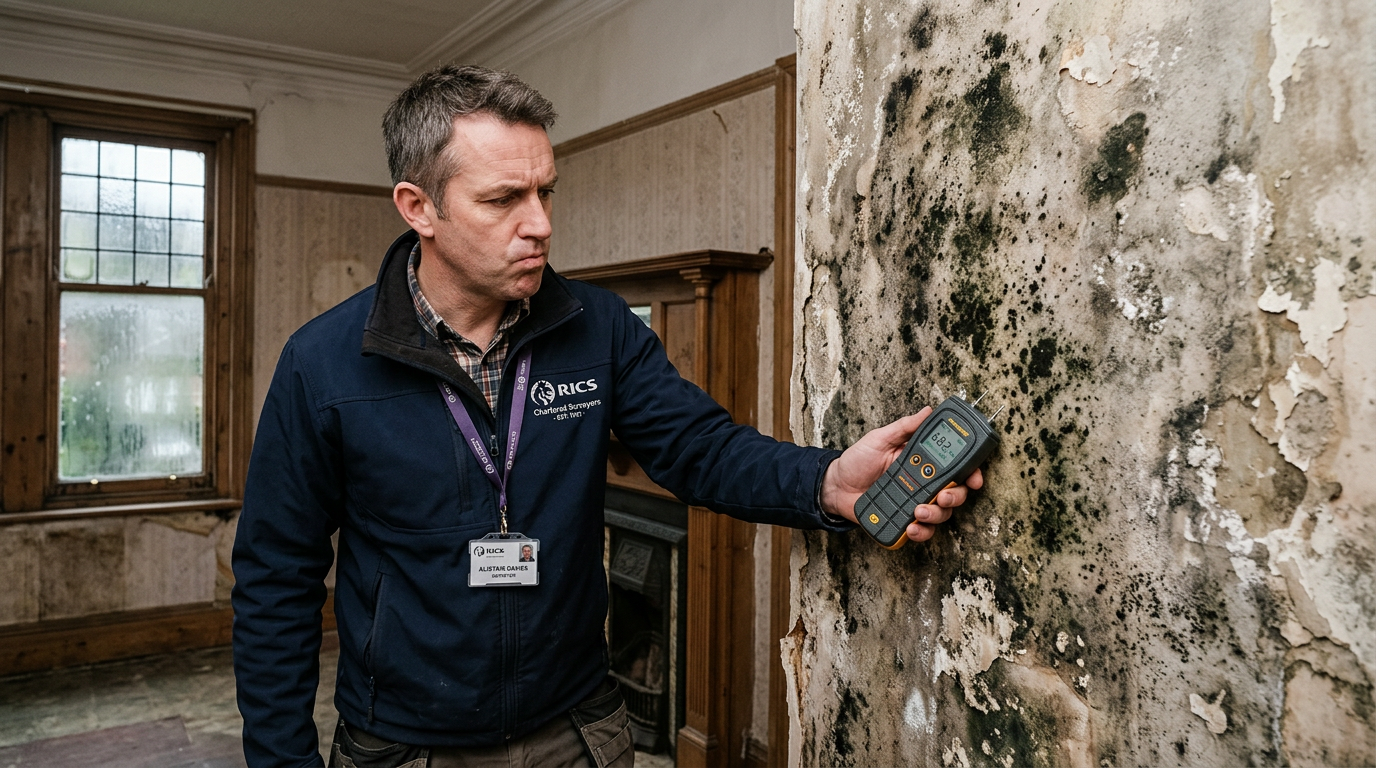
How Subsidence Is Assessed in a Survey
When our surveyors encounter potential subsidence indicators during a building survey, we assess them systematically:
- Pattern of cracking — where, in what direction, how wide and whether they've been previously repaired
- External inspection — examining the ground around the building, noting any large trees, drainage features or earthworks
- Historical information — how long has the property been affected? Are there any previous claims?
- Level check — a spirit level check of floors to identify differential movement
- Condition rating — assigning a condition 2 or 3 and recommending further investigation if needed
Where our survey identifies potential subsidence, we recommend further investigation — typically involving a structural engineer, soil tests and possibly monitoring over a period of time. We can help you understand what this process involves.
Does Subsidence Mean I Shouldn't Buy the Property?
Not necessarily. This is where many buyers panic unnecessarily. In reality:
- Historic subsidence that has been treated and stabilised can be benign. If underpinning has been carried out and the movement has ceased, the property can be a perfectly sound purchase.
- Active subsidence is more serious — it means movement is ongoing. This needs investigation and remediation before exchange.
- Tree-related subsidence can sometimes be resolved by tree removal or root barrier installation.
- Drainage-related subsidence can be resolved by repairing or replacing the drainage.
The key is having a surveyor who understands the difference — and who provides clear, honest advice rather than simply alarming you.
Subsidence and Insurance
A property with a history of subsidence can be harder to insure. Some standard insurers will decline or add exclusions, but specialist insurers do exist. Disclosure is essential — failing to disclose known subsidence to an insurer can invalidate your policy. Our survey reports give you the information you need to make full and accurate disclosure.